Our most-loved styles.

30-day weight loss plan is one of the most effective ways to kick-start a healthier lifestyle. With the right combination of nutrition, exercise, and consistency, many people can lose around 2-3 kg in 30 days, while also improving their energy, strength, and fitness. However, your results will depend on factors such as your starting weight, eating habits, activity level, sleep, and how consistently you follow your plan.
The goal of these 30 days isn't just to see a lower number on the scale; it's to build healthy habits that you can continue long after the first month. By making small, sustainable changes, you can improve your nutrition, establish a regular workout routine, increase daily movement, and create a calorie deficit that supports healthy weight loss.

If you're wondering how to lose weight in 30 days, you're in the right place. This guide will walk you through a practical 30-day weight loss challenge, including a beginner-friendly workout routine, a balanced diet plan for weight loss, daily habits, and expert tips to help you stay on track.
Whether you're just starting your fitness journey or getting back into a routine, this 30-day fat loss plan will help you take the first step toward lasting results.
How Much Weight Can You Lose in 30 Days?
One of the first questions people ask before starting a 30-day weight loss plan is, "How much weight can I realistically lose?"
For many people, losing around 2-3 kg in 30 days is a realistic goal when following a balanced diet, exercising regularly, and staying consistent. However, there's no guaranteed number because every person's body responds differently.
Your progress depends on factors such as your starting weight, age, nutrition, activity level, sleep, stress, and overall consistency. Some people may lose more, while others may lose less, and that's completely normal.
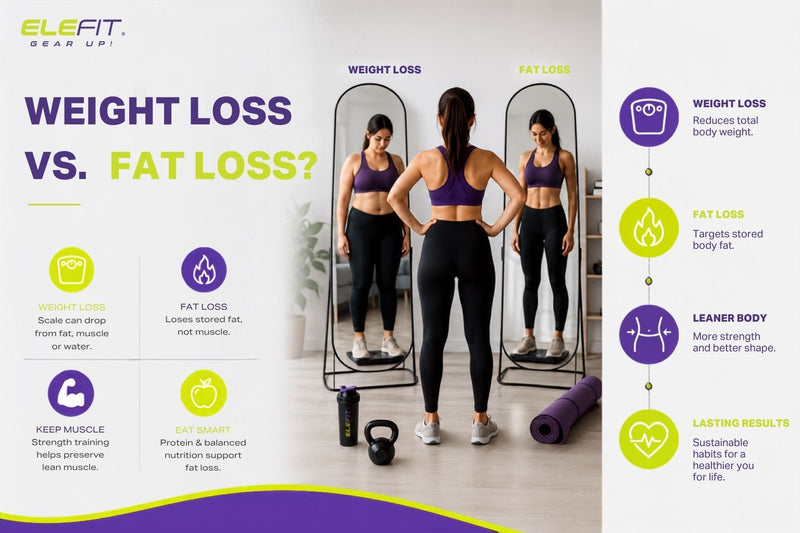
It's also important to remember that weight loss isn't the same as fat loss. During the first few weeks, changes in water weight can affect the number on the scale. That's why it's helpful to track body measurements, progress photos, strength, and energy levels instead of relying only on your weight.
The most successful 30-day fat loss plan isn't about losing weight as fast as possible; it's about creating healthy habits you can maintain for months and years to come.
Your 30-Day Weight Loss Plan at a Glance

A successful 30-day weight loss plan is easier to follow when you take it one week at a time. Each week has a different focus, helping you gradually build healthy habits, improve your workouts and nutrition, and track your progress.
|
Week |
Main Focus |
Goal |
|
Week 1 |
Build the Foundation |
Create healthy habits and establish a routine |
|
Week 2 |
Increase Activity |
Improve workout consistency and daily movement |
|
Week 3 |
Improve Nutrition |
Focus on balanced, nutritious meals |
|
Week 4 |
Stay Consistent |
Track your progress and adjust your routine |
This approach can make your 30-day weight loss challenge feel more manageable while helping you build habits that can continue beyond the first 30 days.
Week 1 - Build Your Foundation
The first week of your 30-day weight loss plan is all about building healthy habits. Focus on creating a routine that you can realistically follow throughout the month.
Set Your Weight Loss Goal
Start with a realistic goal that suits your lifestyle and fitness level. Instead of focusing only on the number on the scale, aim to improve your fitness, energy, and daily habits.
Calculate Your Daily Calorie Needs
To lose weight, you need to create a calorie deficit by balancing the calories you eat with the calories you burn. The goal isn't to eat as little as possible but to make sustainable food choices that support your health.
Start Tracking Your Food
Tracking your meals can help you understand your eating habits and portion sizes. It also makes it easier to identify areas where you can make healthier choices.
Create a Workout Schedule
Plan a workout routine that fits your schedule. If you're following a 30-day workout plan for weight loss, start with 3–5 workout days each week and include both strength training and cardio.
Increase Daily Movement
Small changes throughout the day can make a big difference. Try to:
- Walk more whenever possible
- Take the stairs instead of the elevator
- Take short movement breaks during work
- Reduce long periods of sitting
Focus on Sleep and Hydration
Getting enough sleep and staying hydrated can support your overall health and help you stay consistent with your routine.
Personalize Your Plan with EleFit AI Coach
Instead of trying to calculate everything yourself, EleFit AI Coach helps you create a personalized workout and nutrition plan based on your goals, schedule, and fitness level.
Ready to build your personalized plan? Try the EleFit AI Coach.
Week 2 - Increase Your Activity
In Week 2 of your 30-day weight loss plan, focus on becoming more active and building consistency with your workouts. The goal is to find activities you enjoy and can continue throughout your fitness journey.
Strength Training
Strength training can help build and maintain muscle while you work toward your weight loss goals. Include exercises that target different muscle groups and gradually increase the challenge as your fitness improves.
Cardio
Cardio can help increase your daily calorie burn and improve your cardiovascular fitness. Choose activities you enjoy, such as:
- Walking
- Jogging
- Cycling
- HIIT workouts
Focus on Daily Steps
Your activity outside the gym also matters. Walking more throughout the day, taking the stairs, and taking regular movement breaks can help you stay active. Focus on increasing your overall daily movement rather than relying only on scheduled workouts.
Your Sample Weekly Workout Schedule
Here's a simple workout schedule you can follow during Week 2:
|
Day |
Activity |
|
Monday |
Strength Training |
|
Tuesday |
Walking or Cardio |
|
Wednesday |
Rest or Light Activity |
|
Thursday |
Strength Training |
|
Friday |
Cardio |
|
Saturday |
Full-Body Workout |
|
Sunday |
Rest |
You can adjust this schedule based on your fitness level and availability. Your workout plan doesn't have to look like everyone else's. EleFit AI Coach can help create a personalized workout plan based on your fitness goals, fitness level, available workout days, and preferred intensity, making it easier to follow a routine that fits your lifestyle.
Week 3 - Focus on Nutrition
In Week 3 of your 30-day weight loss plan, focus on improving your eating habits. A balanced approach to nutrition can help you create a sustainable calorie deficit while giving your body the nutrients it needs.
Create a Sustainable Calorie Deficit
A calorie deficit means consuming fewer calories than your body uses over time. You don't need to drastically reduce your food intake. Instead, focus on balanced portions, nutritious foods, and regular activity to create a calorie deficit you can maintain.
Prioritize Protein
Protein can help support muscle maintenance during weight loss and may help you feel fuller for longer. Include protein-rich foods such as eggs, fish, lean meats, dairy, beans, lentils, and other suitable sources in your meals.
Add More Whole Foods
Build your meals around a variety of nutrient-rich foods, including:
- Vegetables
- Fruits
- Whole grains
- Lean proteins
- Healthy fats
These foods can help you create balanced meals while supporting your overall health and fitness goals.
Don't Completely Eliminate Your Favorite Foods
You don't have to completely give up the foods you enjoy. Extreme restrictions can make a diet plan for weight loss difficult to maintain. Instead, enjoy your favorite foods in moderation and focus on making healthier choices most of the time.
Plan Your Meals
Planning your meals in advance can make it easier to stay consistent and avoid last-minute food choices. Your nutrition needs may also vary depending on your goals, activity level, and lifestyle.
Not sure what to eat while working toward your weight-loss goal? EleFit AI Coach can help you create a personalized 7-day meal plan based on your fitness goals and nutritional needs.
Ready to make your nutrition work for your goals? Try the EleFit AI Coach.
Week 4 - Stay Consistent and Track Your Progress
The final week of your 30-day weight loss plan is about staying consistent and reviewing your progress. Tracking different aspects of your fitness journey can help you understand what's working and where you may need to make adjustments.
Track Your Progress
Instead of checking only your weight, consider tracking:
- Body weight
- Body measurements or circumference
- Progress photos
- Workout performance
- Daily energy levels
- Nutrition and eating habits
Don't judge your progress only by the number on the scale. Changes in body composition, strength, fitness, energy, and how your clothes fit can also show that you're making progress.
Look Beyond the Scale
Your weight can naturally change from day to day due to factors such as hydration, food intake, and other lifestyle factors. Looking at your progress over several weeks can give you a better picture of your overall journey.
If available in your EleFit experience, body composition tracking can also help you monitor metrics such as:
- Weight
- Body fat percentage
- Muscle mass
- BMI
Tracking these changes over time can help you understand your progress more clearly instead of focusing on a single day's result.
As you complete your 30 days, review your workouts, nutrition, and daily habits. Use what you've learned to adjust your routine and continue building healthier habits beyond your 30-day weight loss challenge.
Your 30-Day Weight Loss Diet Plan
A good diet plan for weight loss should be balanced, flexible, and easy to follow. Instead of following strict food rules, focus on building meals with nutritious foods that support your goals.
Breakfast
Start your day with a combination of protein, fiber, and healthy carbohydrates. For example, you can choose eggs with whole-grain toast, Greek yogurt with fruit, or oatmeal with nuts and seeds.
Lunch
Build a balanced lunch with protein, vegetables, and whole grains. This combination can help make your meal more filling and provide essential nutrients.
Snack
Choose a fruit and a protein-rich snack when you need something between meals. Options can include fruit with yogurt, nuts, or another protein-rich food that fits your nutritional needs.
Dinner
Keep dinner balanced with protein, vegetables, and healthy carbohydrates. Choose portion sizes that suit your individual calorie and nutrition needs.
Stay Hydrated
Drink water regularly throughout the day and pay attention to your body's hydration needs, especially when you're exercising or spending time in hot weather.
The best diet plan is one you can consistently follow. Your nutritional needs may differ based on your goals, activity level, lifestyle, and personal circumstances. Focus on making sustainable choices rather than following an overly restrictive diet.
Get a Personalized Meal Plan With EleFit AI Coach (Ele)
Want a meal plan that fits your goals instead of following a generic diet? EleFit AI Coach (Ele) can help you get personalized meal and workout recommendations based on your fitness goals and preferences.
Ready to build a plan that works for you? Try the EleFit AI Coach (Ele).
30-Day Weight Loss Workout Plan
A consistent workout routine can support your weight loss goals while helping you improve strength, fitness, and daily energy. If you're a beginner, focus on a mix of strength training, cardio, and active recovery rather than exercising at high intensity every day.
Here's a simple 30-day workout plan for weight loss that you can use as a starting point:
|
Day |
Workout |
|
Day 1 |
Full-Body Strength |
|
Day 2 |
Walking or Cardio |
|
Day 3 |
Lower-Body Strength |
|
Day 4 |
Light Cardio or Active Recovery |
|
Day 5 |
Full-Body Strength |
|
Day 6 |
Walking or Cardio |
|
Day 7 |
Rest or Active Recovery |
Repeat this weekly structure for four weeks, gradually increasing your workout duration or intensity as your fitness improves. You can also adjust the schedule based on your goals, fitness level, and available time.
Remember: This is a general plan, not a one-size-fits-all routine. Listen to your body and adjust your workouts when needed. If you're a beginner, start at a comfortable intensity and give yourself enough time to recover between challenging workouts. If you have an injury, medical condition, or physical limitation, consult a qualified professional before starting a new exercise routine.
7 Daily Habits to Support Your 30-Day Weight Loss Journey
Your daily habits can have a big impact on your progress. Along with following your 30-day weight loss plan, focus on these simple habits to stay consistent and build a healthier routine.
1. Move Your Body Every Day
Stay active throughout the day by walking, stretching, taking the stairs, or adding short movement breaks between long periods of sitting.
2. Prioritize Protein-Rich Foods
Include protein-rich foods in your meals to support muscle maintenance and help you feel satisfied. Choose options that fit your personal nutrition needs and preferences.
3. Drink Enough Water
Stay hydrated throughout the day. Your water needs can vary depending on your activity level, environment, and individual needs.
4. Get Consistent Sleep
Aim for a regular sleep schedule and make quality sleep part of your routine. Good sleep supports your overall health and recovery.
5. Track Your Meals
Keeping track of what you eat can help you understand your eating habits and make more mindful food choices.
6. Follow Your Workout Schedule
Try to stick to your planned workouts, but don't be afraid to adjust your routine when needed. Consistency is more important than completing every workout perfectly.
7. Focus on Consistency, Not Perfection
You don't have to follow your plan perfectly every day. If you miss a workout or have an off-plan meal, simply get back to your routine and keep moving forward.
Small habits repeated consistently can make your 30-day weight loss challenge more manageable and help you build a foundation for long-term progress.
How Ele Can Help With Your 30-Day Weight Loss Journey

Following a 30-day weight loss plan can be challenging when you're unsure what workouts to do, what to eat, or how to track your progress. Instead of relying on a generic routine, Ele can help you build a more personalized approach based on your goals, preferences, and lifestyle.
1. Get a Personalized Workout Plan
Skip the guesswork of choosing random workouts. Ele can help create a workout plan based on your fitness goals, workout preferences, schedule, and desired intensity.
2. Get Personalized Meal Recommendations
Your nutrition plays an important role in your weight loss journey. Ele can help you get personalized meal recommendations that align with your fitness goals and nutritional needs.
3. Track Your Nutrition
Keeping track of your meals can help you better understand your daily nutrition. With Ele, you can log your food and monitor your nutrition as you work toward your goals.
4. Track Your Progress
Weight isn't the only way to measure progress. Tracking your fitness and body composition can help you understand how your body is changing over time and keep you focused on long-term progress.
5. Stay Consistent
Having a structured workout and nutrition routine can make it easier to stay on track. Ele helps bring your fitness and nutrition goals together in one place, so you can follow your plan with greater clarity.
6. Adjust Your Fitness Routine
Your goals and preferences can change as you progress. A personalized fitness approach allows you to adapt your workouts and nutrition as your journey evolves.
Your 30-Day Journey Starts With a Plan
You don't have to guess your workouts or meals or follow the same routine as everyone else. Ele can help you build a personalized fitness and nutrition routine designed around your goals.
Ready to start your 30-day journey? Try Ele.
Common Mistakes to Avoid During a 30-Day Weight Loss Plan
A 30-day weight loss plan works best when you focus on sustainable habits instead of quick results. Avoiding these common mistakes can help you stay consistent and make your journey more manageable.
1. Eating Too Few Calories
Cutting calories too aggressively may leave you feeling tired, hungry, and unable to maintain your routine. Focus on creating a sustainable calorie deficit rather than drastically restricting your food intake.
2. Doing Only Cardio
Cardio is useful for improving fitness and increasing activity, but it shouldn't be the only part of your routine. Include strength training to support muscle and overall fitness.
3. Ignoring Strength Training
Strength training can be an important part of a balanced 30-day workout plan for weight loss. Include exercises that work different muscle groups and adjust the intensity to your fitness level.
4. Following an Overly Restrictive Diet
Avoid extreme diets that completely eliminate large groups of foods or are difficult to maintain. A balanced diet plan for weight loss should include a variety of nutritious foods and allow room for flexibility.
5. Skipping Meals and Overeating Later
Skipping meals doesn't always make weight loss easier. It may leave you overly hungry later in the day and make it harder to manage your food choices. Focus on regular, balanced meals that suit your routine.
6. Expecting Daily Weight Loss
Your weight can naturally fluctuate from day to day due to factors such as hydration, food intake, and other lifestyle changes. Look at your progress over time rather than expecting the scale to decrease every day.
7. Not Getting Enough Sleep
Sleep is an important part of overall health and recovery. Try to maintain a consistent sleep schedule and give your body enough time to rest.
8. Changing Your Plan Every Few Days
Give your routine time to work. Constantly switching between different workouts or diets can make it difficult to build consistency and understand what works for you.
9. Trying to Be Perfect Instead of Consistent
Missing one workout or having an occasional meal that doesn't fit your plan doesn't mean you've failed. Get back to your routine and keep going. Long-term consistency matters more than perfection.
The goal of a 30-day weight loss challenge isn't to follow a perfect plan every single day. It's to build realistic habits that you can continue beyond the first 30 days.
What to Do After Your 30 Days
Completing your first 30 days is an achievement, but it shouldn't be the end of your fitness journey. Think of your 30-day weight loss plan as a starting point for building habits that can support your long-term goals.
Take some time to review your progress. Look at changes in your weight, body measurements, fitness, energy levels, workouts, and nutrition habits. Then, use what you've learned to set your next goal.
As you move forward:
- Continue with regular workouts that fit your fitness level.
- Maintain balanced and nutritious eating habits.
- Gradually increase your workout intensity as your fitness improves.
- Adjust your routine based on your progress and changing goals.
- Set a new 30-day goal to keep yourself motivated and consistent.
You don't have to start from scratch after completing your first month. Ele can help you continue building and adjusting your personalized workout and nutrition routine as your fitness journey evolves.
The goal isn't simply to complete a 30-day weight loss challenge. It's to use those 30 days to build habits that can support a healthier and more active lifestyle for the long term.
Frequently Asked Questions
1. Can I lose weight in 30 days?
Yes, you can make meaningful progress in 30 days. Your results will depend on factors such as your starting point, nutrition, activity level, sleep, and consistency. Focus on building sustainable habits rather than expecting rapid results.
2. How much weight can I realistically lose in 30 days?
There is no specific amount that everyone can expect to lose. Weight loss varies from person to person and can also be affected by changes in water weight. Focus on overall progress, including changes in body measurements, fitness, strength, and energy.
3. What should I eat to lose weight in 30 days?
Focus on balanced meals that include protein, vegetables, fruits, whole grains, and healthy fats. A sustainable diet plan for weight loss should fit your nutritional needs and lifestyle rather than relying on extreme restrictions.
4. How many days a week should I exercise to lose weight?
The ideal workout frequency depends on your fitness level, goals, and schedule. A combination of strength training, cardio, and active recovery can help create a balanced routine. Beginners should start at a manageable level and gradually increase activity.
5. Can an AI fitness coach help me lose weight?
An AI fitness coach like Ele can help you create a more personalized approach to your fitness journey. Ele can provide personalized workout and meal recommendations, help you track nutrition and progress, and support you in building a routine around your goals and preferences.